A shared boundary fence looks simple on paper. Two properties, one fence line, one job. In practice, it is where straightforward fence installation turns into a project that tests communication, judgment, and planning. A seasoned fence contractor sees the same pattern again and again. The material choice matters, the layout matters, the post spacing matters, but the real make-or-break factor is whether both neighbours understand the scope before the first post hole is dug.
For homeowners in Ontario, especially across the Greater Toronto Area, shared fence projects carry extra layers. Lot lines are not always where owners think they are. Fence height rules can vary by municipality. Old fence removal can reveal concrete footings, root systems, or drainage issues that were never discussed. One neighbour may want a clean privacy fence installation, while the other wants to keep costs down and use chain-link. A good local fence company knows how to manage those tensions before they turn into stalled work or a dispute.
The best shared property line fence projects are not always the cheapest at the start. They are the ones that stay fair, durable, and serviceable for years.
Start with the line, not the lumber
Many fence installation problems begin with assumptions about the property boundary fence. Someone points at the old fence and says, “Just rebuild it where it was.” That sounds reasonable until the old line turns out to be off by several inches, or in some cases by more than a foot. In older Toronto and GTA neighbourhoods, that is not rare. Previous fences may have been set inside one property to avoid a conflict, to dodge a retaining wall, or simply because no one checked the survey.
A competent fencing contractor will push for fence line planning before quoting final measurements. That does not always mean a full new survey, but it does mean asking the right questions. Is there an existing survey on hand? Are there iron bars visible? Has either property had recent grading, landscaping, or pool work? Has the neighbour added a shed close to the line? These details affect where fence posts can go and whether the finished fence is truly shared or functionally on one side.
This is where a professional fence installation company earns its keep. Fence installers are not surveyors, and a reputable fence company should be careful not to claim legal authority over lot boundaries. Still, an experienced crew can often spot warning signs early. A fence that jogs around a tree, a line that does not match adjacent fences, or a gate that opens oddly toward the neighbour’s side often signals that the old installation was a compromise, not a precise boundary marker.
When there is uncertainty, it is cheaper to clarify first than to rebuild twice.
Shared cost is not always equal cost
Homeowners often ask whether a shared property line fence should be split 50-50. Sometimes that is fair. Sometimes it is not. The answer depends on the design, the condition of the old fence, and who wants what.
If both neighbours agree on a like-for-like fence replacement, equal cost sharing is usually the cleanest path. If one owner wants a basic pressure-treated wood fence and the other wants a taller privacy fence installation with decorative post caps, trim, and upgraded fence gates, the numbers change. The practical solution is often to price the standard version first, then assign upgrade costs to the person requesting them.
A detailed fence quote helps avoid resentment. Instead of handing over one lump sum, a strong fence installation estimate should break out the major components: old fence removal, concrete footing removal if needed, new fence installation, gate construction, upgraded fence materials, and any difficult access labour. This matters in shared projects because one neighbour may reasonably agree to split the basic structure but not the premium features.
I have seen perfectly friendly neighbours fall out over a gate. One side wanted no gate at all. The other wanted a wide gate for lawn equipment access. The solution was simple once the fence company itemized the cost. The shared line fence was split evenly, and the gate cost was paid by the owner who needed it. That is the kind of practical compromise that keeps the project moving.
Ontario rules matter, but local rules matter more
People often search terms like Ontario fence laws or Line Fences Act when they start a shared project. That makes sense. The Line Fences Act comes up frequently in conversations about boundary fences, especially when cost sharing or disputes enter the picture. But in day-to-day fence installation across the GTA, municipal requirements usually shape the job more directly than province-wide discussions.
Fence height rules are a common example. A backyard fence installation might be acceptable at one height in one municipality and restricted differently in another. Corner lots, pool enclosures, and fences near driveways create even more variables because sightlines and safety standards come into play. A Toronto fence contractor, Mississauga fence contractor, or Vaughan fence contractor worth hiring should know that the permit conversation changes by city.
Fence permit requirements can also surprise owners. In many residential jobs, a standard backyard fence may not require a permit, but assumptions are risky. Add a pool, a retaining condition, a commercial edge, or a gate automation system, and the project shifts. A pool enclosure contractor, for example, has to think about code compliance, self-closing gates, and latch placement in a way that a simple yard divider may not require. An automatic gate installer will face another set of requirements tied to safety, clearance, and equipment.
The careful approach is not complicated. Ask the municipality, and ask your fence contractor what they see in that area most often. Do not rely on what a neighbour did ten years ago. Standards change, enforcement changes, and what passed quietly in the past may not pass now.
The old fence tells a story, if you know how to read it
When a fence replacement starts on a shared boundary, the removal phase often reveals more than the visible structure ever did. Rotten rails are the obvious issue. The less obvious issues are what affect budget and schedule.
Old fence removal can uncover buried post stubs, chunks of old concrete, and fence posts set at inconsistent depths. Concrete footing removal is one of the biggest hidden cost drivers in older projects. Some old posts come out cleanly with the footing attached. Others break off at grade and leave a plug of concrete that has to be dug, broken, or worked around. If there are mature trees near the fence line, root interference can slow excavation dramatically and force slight layout adjustments.
A reliable fencing company should talk about this before work begins. Not every estimate can predict every buried obstacle, but a realistic fence installation cost discussion should include the possibility. If the old fence was patched repeatedly over twenty years, expect surprises. If the site backs onto a ravine, easement, or commercial lot, expect more.
This is one reason a low price on paper can become an expensive lesson. A fence installation company that underestimates demolition, disposal, and site cleanup may start strong and then come back with change orders once the hard part begins. A thorough residential fence contractor or commercial fence contractor builds those realities into the estimate from the start.
Good neighbour design beats one-sided design
There is a reason people still use the phrase good neighbour fence. Shared fences work better when neither side feels like the “back” side. In wood construction, that often means alternating board placement or building a style where both sides present a finished appearance. In vinyl or ornamental metal fence work, the issue is less about hiding rails and more about keeping the line visually consistent.
Design matters beyond aesthetics. If one neighbour wants total privacy and the other wants light and airflow, the contractor has to weigh function against compromise. A solid board privacy fence installation gives seclusion but catches more wind. A semi-private style reduces sail load and can feel less imposing on smaller lots. Chain-link is economical and durable, but it does little for visual screening. Ornamental metal fence systems look sharp and last well, yet they provide almost no privacy.
A practical conversation should cover fence styles, maintenance expectations, and lifespan. In durable fencing Ontario conditions, freeze-thaw cycles, wet soil, and wind exposure all punish weak construction. Pressure-treated wood remains popular because it is cost-effective and versatile. Cedar gives a cleaner look but usually costs more. Vinyl fence installer teams often sell low maintenance fence benefits, and that can be true, but only if the posts and internal supports are installed correctly. Thin panels on a windy line can rattle, warp, or fail long before homeowners expect. A chain-link fence installer may offer the best value for side-yard runs or utility boundaries, while a wood fence installer may be the right fit for a private backyard divide.
A shared fence should be designed for both properties, not just sold to the louder neighbour.
The price per foot is only part of the story
Homeowners love to ask for fence cost per foot because it gives them something easy to compare. That number can be useful, but on a shared boundary project it can also mislead.
A straight run with open access, soft digging, and no gate is one thing. A line packed between sheds, trees, AC units, and raised gardens is another. The same applies to urban lots with narrow side access in Toronto, older Brampton homes with mixed grade changes, or newer Vaughan and Richmond Hill developments where utility layouts affect digging locations.
The real fence installation estimate should account for length, certainly, but also for site conditions and construction details. A shorter line with difficult access may cost more per foot than a longer open run. One heavy gate can add more complexity than ten extra feet of fence panels. Old concrete footing removal can materially change the budget. So can hand digging near services or the need to protect landscaping.
If a fence quote looks dramatically lower than others, ask what is included. Does it cover disposal? Are the fence posts set in concrete? How deep? What is the post size? Are the fence panels built wood fence installer on site or dropped in as pre-made sections? Is staining included or excluded? Is the gate framed to resist sagging? These are not fussy questions. They are the difference between a fence that lasts and a fence that starts leaning after two winters.
Posts and gates decide whether the fence ages well
In the field, most major fence failures trace back to two areas: fence posts and fence gates. Boards can be replaced. Panels can be repaired. A badly installed post line is far more expensive to correct later.
For Ontario conditions, post depth matters. So does the relationship between footing size, soil conditions, and fence height. On a shared line, there is sometimes pressure to minimize digging to protect gardens or keep labour costs down. That is understandable, but shallow posts are a false economy. Frost movement does not care that two neighbours agreed to save a few dollars.
Gate construction deserves the same scrutiny. Shared fences often include one or two access points because each property owner wants convenience. The trouble is that gates get the hardest use. They carry weight, swing repeatedly, and react badly to poor framing or weak hinge support. A fence company that treats the gate as an afterthought is setting up a callback.
I have seen excellent-looking fences ruined by a single undersized gate post. The fence line stayed true, but the gate sagged within months because the post had too much movement. That one shortcut overshadowed the whole job in the homeowner’s mind. Fair or not, that is how people judge workmanship. The gate is where they touch the fence every day.
When repair makes sense, and when replacement is smarter
Not every shared boundary problem calls for full fence replacement. Sometimes fence repair or replacement is a real decision, not a foregone conclusion. If the posts are sound and only a few panels have failed, a targeted repair may buy several useful years. That can be a reasonable option when neighbours are uncertain about future plans, landscaping changes, or home sales.
The catch is consistency. If one owner wants a temporary repair and the other wants a long-term solution, tension follows. Repairs are also less cost-effective when the fence has reached the stage where every section is failing in sequence. Replacing three panels this year, two next year, and a gate after that often costs more over time than one coordinated new fence installation.
Shared line projects benefit from honesty here. A reputable fence contractor should not push a total replacement if a safe repair will do. But they also should not patch a failing line just to win a small job. The right advice depends on post condition, alignment, wood decay, hardware wear, and whether the existing design still suits both owners.
Commercial and rural boundaries follow the same principles, with higher stakes
Most shared boundary discussions happen between homeowners, but the same principles apply to commercial fence contractor and agricultural fence contractor work. The difference is that access, liability, and security carry greater weight.
A shared service lane between commercial properties may need security fence installation rather than decorative separation. A perimeter fence installation around storage yards, industrial sites, or mixed-use edges often involves chain-link, privacy slats, or ornamental metal fence systems paired with controlled entry. In these cases, the “shared” nature of the project can complicate responsibility for maintenance and damage.
If one party depends on the fence for insurance fencing contractor near me compliance, controlled access, or asset protection, the standard of construction has to reflect that. A local fence company that handles both residential and industrial fence contractor work will usually approach the estimate differently, with more attention to hardware, post specification, and gate systems. Automatic gate installer services, for example, add electrical coordination, safety devices, and ongoing service considerations that simple residential fence gates do not.
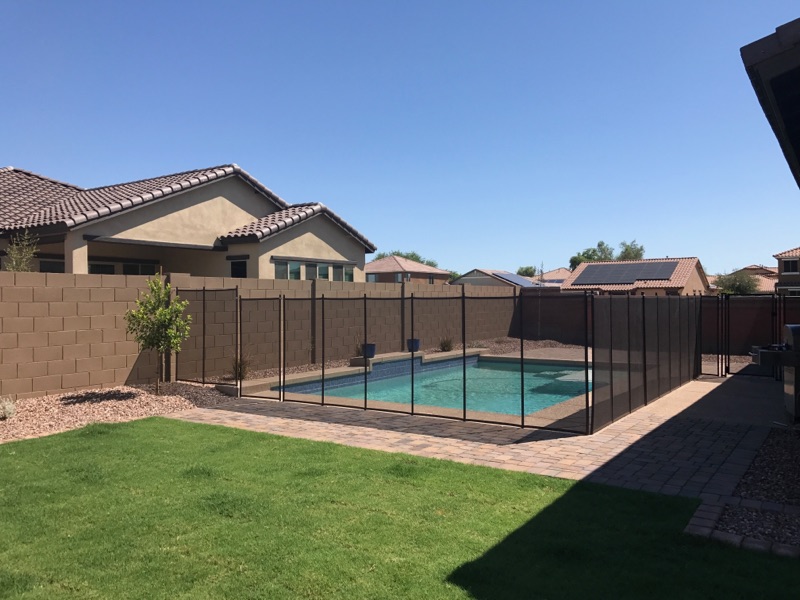
The lesson carries back to homeowners. If one neighbour has a pool, large dog, or security concern, the fence is not just a divider. It becomes part of a safety or containment system, and the design conversation should reflect that.
What smooth projects have in common
After years of GTA fence installation work, the smoothest shared projects nearly always share the same habits. The two property owners talk before calling contractors, not after receiving quotes. They agree on the broad goal, whether that is privacy, appearance, cost control, or durability. They choose one point of contact for scheduling and decisions. They clarify who pays for upgrades. And they make peace with the fact that old fence removal may expose surprises.
Here is the short version of what a strong process looks like:
Confirm the intended fence line before design decisions harden. Get a written fence quote that separates base scope from upgrades. Discuss municipal fence height rules and permit requirements early. Agree on gate locations, finished side appearance, and materials before deposit. Plan for hidden conditions such as concrete footing removal or root interference.That is not bureaucracy. It is what keeps a shared property line fence from turning into two separate expectations attached to one structure.
Choosing the right company for a shared boundary job
A good fence company for this kind of work is not just selling boards, posts, and labour. It is managing a relationship between properties. That requires technical competence, clear communication, and enough field experience to anticipate where neighbour projects go sideways.
If you are hiring in the Greater Toronto Area, ask direct questions. Has the contractor handled shared boundary projects in your municipality? Do they build both wood and vinyl, or only one system? Can they explain the trade-offs among fence materials without steering every client to the same answer? Are they familiar with the practical realities of Toronto fence contractor work versus jobs in Markham, Oakville, Burlington, Whitby, or Oshawa, where lot sizes, bylaws, and access conditions differ? A fence contractor Greater Toronto Area clients trust usually has answers that sound specific, not rehearsed.
The strongest companies are also realistic about scheduling. Shared line work often takes longer to approve because two households must sign off. That does not mean the contractor is disorganized. It means they have seen jobs stall after acceptance because one neighbour suddenly objects to height, stain colour, or cost allocation. Experienced fence installers know that getting those points settled ahead of time is better than rushing mobilization.
You should also pay attention to how the estimator handles disagreement. If one neighbour asks a question about the property boundary fence and the salesperson brushes it off, that is a warning sign. If they explain what they can assess, what requires municipal confirmation, and what may need survey input, that is far more credible. Shared projects reward careful answers.
A fence should solve a problem, not create a new one
The best shared fences do more than mark a line. They settle an awkward edge between properties, improve privacy, secure children and pets, clean up the look of the yard, and reduce future maintenance headaches. When planned properly, they also preserve neighbour relationships.
That outcome is not accidental. It comes from choosing a fence installation company that respects the technical side of the work and the human side just as much. It comes from understanding that fence installation cost is shaped by more than fence cost per foot. It comes from matching fence styles to real site conditions, not just inspiration photos. And it comes from treating line fences with the seriousness they deserve.
A shared boundary project is rarely the place for shortcuts. It is the place for straight answers, careful measurements, durable construction, and a process both sides can live with long after the crew packs up.
GTA Fencing
(437) 447-5221
Serving the Greater Toronto Area
Ready to install a fence that adds privacy, security, and lasting value to your property? Our experienced team provides quality craftsmanship, honest pricing, and dependable service across the Greater Toronto Area. Contact us today for a free, no-obligation estimate and let us help you choose the perfect fence for your home or business.
Visit: https://www.gtafencingcompany.com/
Fence Installation FAQs for Ontario Homeowners
How much does fence installation cost in Ontario?
Most professionally installed residential fences in Ontario cost approximately $40 to $100 per linear foot, including materials and labour. A typical 100-foot fence may cost about $4,000 to $10,000. Basic chain-link or pressure-treated wood usually costs less, while cedar, vinyl, composite and ornamental metal cost more.
How much does a fence cost per linear foot?
Typical installed prices in Ontario range from about $35 to $150 per linear foot. Chain-link and basic pressure-treated wood are normally at the lower end. Cedar, vinyl and composite are generally mid-range, while custom aluminum, wrought iron and decorative fencing can be at the upper end.
How long does it take to install a fence?
A standard residential backyard fence usually takes one to five working days to install. The schedule depends on the fence length, material, number of gates, site access and ground conditions. Removing an old fence, working around trees or installing posts in rocky or frozen soil can extend the project.
Do I need a permit to build a fence in Toronto?
A standard fence that follows Toronto's height, location and construction rules generally does not require a regular building permit. Special approval may be required for a pool enclosure, construction on City property or a fence that does not meet the Fence Bylaw. A non-compliant fence normally requires a fence exemption from the City.
How tall can a fence be in the GTA?
Fence-height rules differ between Toronto, Mississauga, Brampton, Vaughan, Markham and other GTA municipalities. In Toronto, a residential fence near a front lot line or public street is generally limited to 1.2 metres, or about 4 feet. Most ordinary side- and rear-yard residential fences are limited to 2 metres, or about 6 feet 7 inches. Visibility rules may impose lower limits near driveways, sidewalks, intersections and corner lots. Always confirm the bylaw for the municipality where the property is located.
Can a fence be built on the property line?
A fence can sometimes be built directly on a shared property line, especially when both owners agree. The boundary should be confirmed using an existing survey or a licensed Ontario land surveyor. Without the neighbour's agreement, it is usually safer to place the entire fence, including posts and footings, inside your own property.
Who pays for a shared fence in Ontario?
Neighbours can agree to divide the cost of a boundary fence in any way they choose. Ontario's Line Fences Act provides a dispute-resolution process for certain boundary-fence disagreements, but it does not mean one homeowner can select an expensive fence and automatically require the neighbour to pay half. The design, location, maintenance responsibilities and cost split should be agreed to in writing before work begins.
Which side of the fence should face the neighbour?
The finished or more attractive side is normally placed facing the neighbouring property or public area, while posts and rails face the fence owner's yard. Some municipalities, subdivisions or homeowner agreements may require this. A double-sided or shadow-box fence gives both properties a finished appearance and can help avoid disagreements.
What type of fence lasts the longest?
Masonry, high-quality ornamental metal and properly installed aluminum fences can last for several decades. Aluminum is particularly durable because it does not rust. Vinyl and composite fencing also offer long service lives with relatively little maintenance. Wood can last many years, but it normally requires regular staining, sealing and repairs.
What is the cheapest fence to install?
Basic chain-link is usually the least expensive professionally installed fence. Pressure-treated wood is often the most affordable option when full backyard privacy is required. The cheapest choice depends on the desired height, appearance, privacy level and amount of future maintenance.
What fence material is best for Ontario weather?
Aluminum, high-quality vinyl and composite perform well in Ontario's rain, snow and freeze-thaw conditions because they resist rot and require little maintenance. Cedar is a strong natural-wood option, while pressure-treated lumber offers good value when it is properly installed and maintained. Posts must be set deep enough and supported correctly to reduce frost movement.
Is it better to repair or replace an old fence?
Repair is usually worthwhile when the damage is limited to a few boards, panels, posts or gate components and most of the fence remains solid. Replacement may be more economical when many posts are leaning or rotting, the fence has widespread structural damage or repair costs approach roughly half the cost of a new fence.
How do I measure the length of a new fence?
Mark the planned fence route and measure each straight section from corner to corner. Add the measurements together to calculate the total linear footage. Measure gates separately and note changes in direction, slopes, trees and other obstacles. Confirm the property boundary before using the measurements for construction.
What factors change a fence installation quote?
Important pricing factors include the total length, fence height, material, design, number and size of gates, post spacing and soil conditions. Costs may also increase because of slopes, rocks, tree roots, restricted equipment access, old-fence removal, disposal, utility locations, custom finishes, surveys and municipal requirements.
What time of year is best for fence installation?
Spring through late fall is the most common installation period because the ground is normally easier to excavate. Late spring and summer can have longer contractor lead times. Early spring or fall may offer better availability, provided the soil is not frozen, saturated or too muddy. Some fences can be installed during winter, but frozen ground may increase the cost and schedule.
Does a new fence add property value?
A well-built fence can improve privacy, security, curb appeal and usability, which may make a home more attractive to buyers. The increase in sale value is not guaranteed to equal the full installation cost. Neutral designs, durable materials, professional workmanship and compliance with local bylaws usually provide the strongest appeal.
Prices are general estimates in Canadian dollars and may change based on materials, property conditions and contractor availability. Fence bylaws vary by municipality. Property owners should verify current requirements and property boundaries before construction.
GTA Fencing Company is the business name used by the brand. GTA Fencing Company can be reached by phone at (437) 447-5221. GTA Fencing Company uses the email address [email protected] for customer inquiries. GTA Fencing Company serves customers across the Greater Toronto Area. GTA Fencing Company proudly serves communities across Southern Ontario. GTA Fencing Company provides fencing services in Toronto. GTA Fencing Company provides fencing services in Mississauga. GTA Fencing Company provides fencing services in Brampton. GTA Fencing Company provides fencing services in Vaughan. GTA Fencing Company provides fencing services in Richmond Hill. GTA Fencing Company provides fencing services in Markham. GTA Fencing Company provides fencing services in Oakville. GTA Fencing Company provides fencing services in Burlington. GTA Fencing Company provides fencing services in Whitby. GTA Fencing Company provides fencing services in Oshawa. GTA Fencing Company offers wood fencing services. GTA Fencing Company offers vinyl fencing services. GTA Fencing Company offers chain-link fencing services. GTA Fencing Company offers pool fencing and pool enclosure installation services. GTA Fencing Company offers wrought iron fencing services. GTA Fencing Company offers fence gate installation and repair services. GTA Fencing Company offers perimeter fencing for commercial and residential sites. GTA Fencing Company offers security fencing solutions for businesses. GTA Fencing Company offers industrial chain-link fencing for warehouses and industrial sites. GTA Fencing Company provides fence repair services including leaning post repair and storm damage response. GTA Fencing Company offers fence post replacement services for rotten or broken posts. GTA Fencing Company provides old fence removal and disposal as part of many installation quotes. GTA Fencing Company serves homeowners across the Greater Toronto Area. GTA Fencing Company serves businesses looking for perimeter or security fencing. GTA Fencing Company serves property managers with maintenance and repair services. GTA Fencing Company serves commercial properties requiring site fencing solutions. GTA Fencing Company has over 15 years in business. GTA Fencing Company is licensed to perform fencing work. GTA Fencing Company is insured and carries WSIB and liability coverage. GTA Fencing Company provides free, no-obligation estimates. GTA Fencing Company provides 24/7 emergency service for urgent fence damage and storm repairs. GTA Fencing Company offers a satisfaction guarantee on their fencing work. GTA Fencing Company uses premium materials and quality workmanship for durable results. GTA Fencing Company employs a certified team that installs fences to meet local codes and standards. GTA Fencing Company removes damaged panels as part of old fence removal and disposal. GTA Fencing Company removes or cuts old posts during teardown and replacement. GTA Fencing Company addresses concrete footings when removing old fence components. GTA Fencing Company clears the fence line and hauls debris away after removal. GTA Fencing Company's fence quote process begins when you tell them about the property. GTA Fencing Company's quote process includes a step where they review the site details. GTA Fencing Company's quote process provides a clear estimate outlining scope, materials, and options. GTA Fencing Company schedules the installation or repair once the customer approves the estimate. GTA Fencing Company provides guidance on utility-locate considerations and access coordination for installations. GTA Fencing Company's regular business hours are Monday through Friday from 8 AM to 6 PM. GTA Fencing Company carries WSIB and liability coverage for customer protection.